
 Purchase on account
  Friendly customer service
Ship medications safely and refrigerated
What are cold chain medications?
Cold chain medications are medicines that must be kept at a certain temperature during transport and storage in order to maintain their effectiveness and quality. Below you will find some important information on the subject of cold chain medications:
- Cold chain medications: To determine whether a medication is a cold chain medication, you should pay attention to the packaging. Most of the time you will find the instruction “keep cool” or “store in a cool place“ on the box or in the leaflet inside. These include, for example, vaccines, insulins, biologics, certain antibiotics and cancer drugs.
- Ingredients of the medicines: Most medicines that require a cold chain contain sensitive biological active ingredients that can be changed or destroyed if the cold chain is interrupted, thereby reducing their effectiveness.
- Refrigeration temperature: Medicines requiring cold chain treatment should always be stored and transported in special refrigerators or boxes that can maintain a constant temperature between +2°C and +8°C. However, you should always read up upon the exact recommended temperature for each medication.
- Breaking the cold chain: If the cold chain is broken, you should immediately return the medication to the manufacturer or pharmacist. It is not certain whether the drug is still effective and it may be harmful to use it.
It is important to handle cold chain medications carefully. If you have any questions about storage or transportation, always consult a doctor, pharmacist or the manufacturer of the medicine.

What needs to be taken into account when it comes to the cold chain of medicines?
When shipping medicines, maintaining the cold chain is often of great importance in order to ensure the effectiveness and safety of the medicines. Here are some important points to consider when shipping medications that require refrigeration (ice packs in bulk):
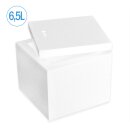
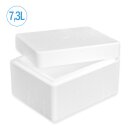
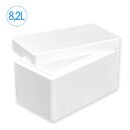
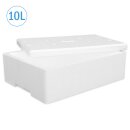
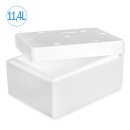
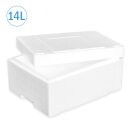
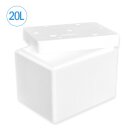
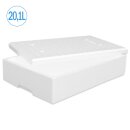
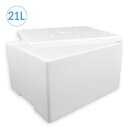
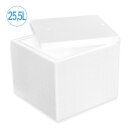
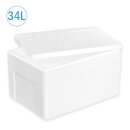
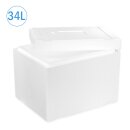
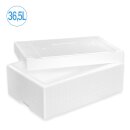
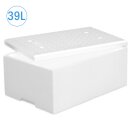
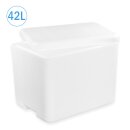
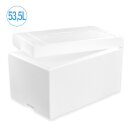
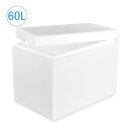
- Use of suitable packaging materials: It is important that the packaging materials are suitable for shipping medications that require refrigeration, e.g. Styrofoam boxes with ice packs. The packaging should maintain the temperature within a certain range to avoid breaking the cold chain. The temperature must be monitored throughout the entire shipping process.
- Shipping and Handling:The recipient should ensure that the package is opened immediately and the medication is stored properly. If the medication is damaged or the cold chain is broken, the recipient should notify the sender immediately.
- Transport time and conditions:The transport time should be kept as short as possible to minimize disruption of the cold chain. Transport conditions such as humidity and barometric pressure should also be taken into account as they can affect the effectiveness of the medication.
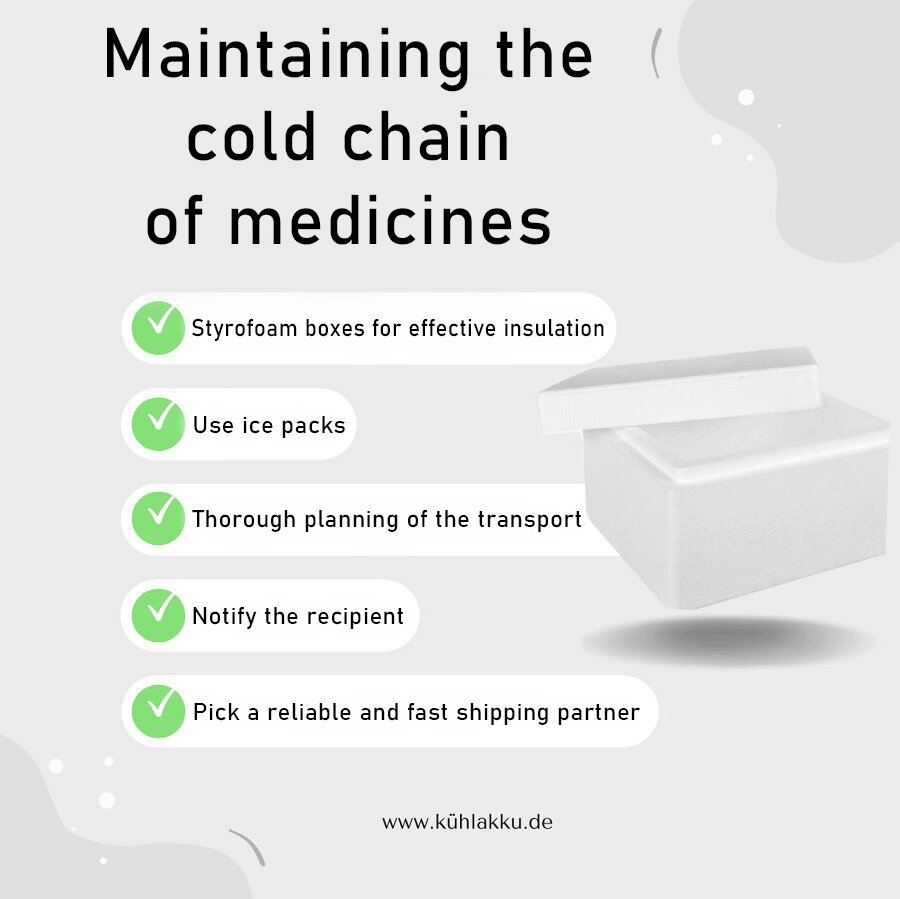
By following these tips, you can ensure that the cold chain of medications is not interrupted during shipping and ensure their effectiveness and safety.
What needs to be taken into account when shipping medicines?
When shipping medications, there are some important aspects to be taken into account to ensure that the medicines can be used safely and effectively. Here are some tips to consider:
- Check legal regulations: Before shipping medicines, you should check the laws and regulations in your country and the destination country to ensure that you are acting legally. For example, some medicines cannot be shipped to all countries to protect public health.
- Use a reliable shipping method: Use a reliable shipping method to ensure that the medicines reach the recipient in good condition. For example, use a courier service that specializes in shipping medicines and offers tracking.
- Pay attention to storage conditions: Medicines usually need to be stored under certain conditions to ensure their effectiveness. When shipping medicines, you should ensure that they are stored appropriately during transport. Make sure the medicines are protected from light, heat and moisture.
- Give Clear Instructions: If you are shipping medicine to someone else, you should provide clear instructions on how to handle and use it. Also indicate what side effects and interactions may occur and what to do in the event of an overdose.
By keeping these tips in mind, you can ensure that the medicines can be used safely and effectively and do not endanger the health of the recipient.



Is it legal to order prescription medicine abroad?
Ordering prescription medicine abroad can be a way for consumers to save money or obtain hard-to-get medications. However, there are some important factors you should consider to ensure you do not commit a crime.
- Check the legal situation: Before you order medication abroad, you should learn about the legal regulations in the recipient country and in your own country. In some countries it is illegal to order and import prescription medicine without a valid prescription.
- Order from Trusted Vendors: : It is important to only purchase medications from reputable vendors to ensure that the products are of high quality and safe to use.
- Be aware of possible risks: : There are some risks to consider when ordering medication abroad. These include the possibility of counterfeit or expired medications, inadequate packaging, or improper storage during transportation.
Please note that illegaly importing prescription medicine can result in serious consequences, including criminal prosecution and large fines. If you are unsure whether it is legal to order certain medications abroad, you should contact the respective authorities or a lawyer.

Which medications can (not) be sent abroad?
If you want to ship medication abroad, there are certain things you need to keep in mind. Here are some tips that can help you:
- Recipient country laws: Each country has different regulations regarding the import of medicines. It is important to know these before sending a package.
- Learn about the medications: Some medications are banned in certain countries or require special approval. Make sure the medication you want to ship is legal and check any necessary permits.
- Proper Packaging: Make sure medications are packaged safely and properly to avoid damage during transportation.
- Label the package: It is important to clearly label the package to ensure it is medication. It is best to use a clear reference, such as “medicine” or “medication”.
- Be aware of shipping costs: Shipping costs for sending medications abroad can be very high. Make sure you learn about and account for costs in advance.
However, please note that there are some medications that cannot be shipped abroad. This is the case with controlled substances, such as painkillers or sedatives. If you are unsure whether a medication can be sent, you should contact the respective authorities or your doctor.

Are special permits or certifications required to ship cold chain medications?
If you want to ship cold chain medications, you should know that there are some permits and certifications you will need. Here is some important information and tips:
- Legal requirements: Different legal requirements may apply depending on the country and region. Therefore, always learn about the legal regulations in advance.
- Shipping service: Before shipping medications, you should ensure that the shipping service has the necessary licenses and certifications. Make sure the company has experience shipping cold chain medications.
- Packaging: Proper packaging is crucial to maintaining the cold chain. Use special refrigerated packaging and cooling elements to cool the medication during transport.
- Certifications: Some certifications may be required to ship cold chain medications. These include, for example, Good Distribution Practice (GDP) and Good Manufacturing Practice (GMP). Find out about the relevant requirements and ensure that you have the necessary certifications.
- Credentials: You or your employees may be required to complete certain training courses and obtain training credentials to ship cold chain medications. Make sure you have the respective documents.
Overall, you should always be thoroughly informed and take the right steps to ship cold chain medications safely and in a legal manner. If you have any questions or uncertainties, always contact a doctor, pharmacist or the manufacturer of the medicine.

How can you ensure that the medicines you order are authentic and of high quality?
As a company, it is important to ensure that the medicines you source are authentic and of high quality. To ensure that your suppliers are reliable and trustworthy sources of medications, you should take the following steps:
- Only trust reputable suppliers: check the company's experience and reputation before ordering from them. Look for reviews and recommendations from other customers and check if the company has a valid license.
- Find out about quality standards: Make sure the company and their products meet the quality standards, such as ISO certifications. Ask specifically whether the company has certificates and, if necessary, have them sent to you.
- Insist on transparency: Demand that the company provides transparent information about its products, including origin, ingredients, storage and shelf life. If possible, have a sample or certificate sent for each product.
- Check delivery: Upon delivery, check the packaging and labeling to ensure that the products are properly labeled. Look out for suspicious features such as different packaging or unusual packaging sizes.
- Dubious prices: Be wary of unusually low prices or unusually fast delivery times. They could be counterfeits or inferior products.
It is important to be careful when sourcing medications for your business to ensure that customers' health is not put at risk and that you are not committing a criminal offense.

Dear readers,
We hope that our guide on the topic of sending medications refrigerated and safely has helped you.
If you have any further questions or would like to place an order, please do not hesitate to contact our experienced team.

Kontakt
Weigang GmbH
Kühlakku.de
Albert-Einstein-Str. 16
86399 Bobingen
x
Please sign in to write a comment.