
 Purchase on account
  Friendly customer service
Transporting food: Tips for hygienic refrigerated shipping

How to send refrigerated food?
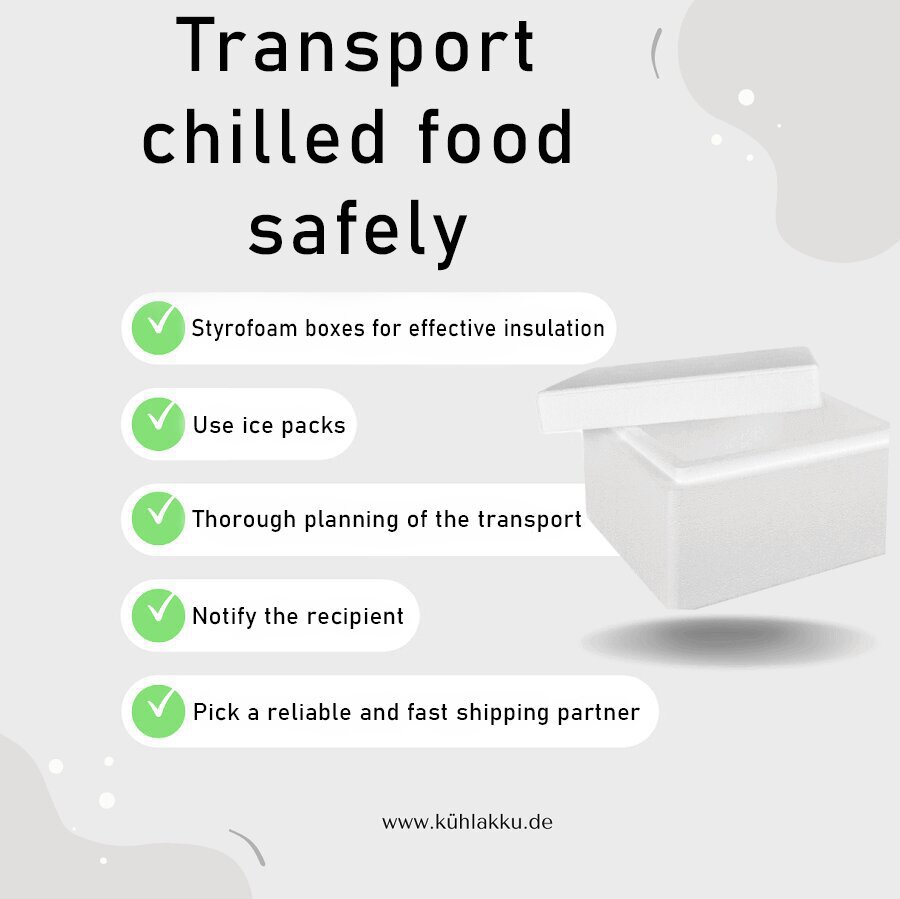
Shipping refrigerated food requires special care to ensure it reaches the recipient fresh and safe. Here are some tips that can help you:
- Choose the right packaging: Use insulated packaging that keeps the food cool. A Styrofoam box is a good choice as it provides effective insulation.
- Use ice packs: Add enough ice packs or gel cooling pads to your packaging to ensure food stays cool during transport. Place them on the top and bottom of the food or in the corners of the packaging.
- Plan shipping carefully:Make sure that delivery is quick and reliable. Try to schedule delivery (if possible) to take place during the cooler hours of the day and, if possible, avoid deliveries on weekends or public holidays.
- Provide storage instructions:Make sure the recipient knows that the food is refrigerated and that it needs to be refrigerated immediately upon arrival. Also provide storage instructions if the food cannot be eaten immediately.
- Choose a trustworthy shipping partner:Choose a trustworthy and experienced shipping partner to ensure groceries are delivered safely and on time.

What does the term “cold chain” mean and what should you pay attention to when shipping food?
The cold chain refers to the proper temperature control of food from production to sale or consumption. This is important to ensure food stays safe and fresh. When shipping food, you should pay attention to:
- Packaging: Choose insulated packaging that keeps the contents cool
- Temperature: Make sure food remains at the correct temperature during transport. Pay attention to the recommended temperature of the product and use appropriate cooling methods like our ice packs
- Delivery:Avoid long delivery times and ensure that the package is delivered as quickly as possible.
- Storage:: Once the package has been delivered, ensure that the food is refrigerated as quickly as possible and not stored at room temperature for too long.
It is important to note that a broken cold chain can promote the growth of bacteria and microorganisms, which can pose a health risk. By maintaining the cold chain, you ensure that food arrives fresh and safe.
Which foods can be transported?
As a business, it is important to know which foods are safe to ship to ensure the quality and safety of the products. Here are some foods that are generally safe to ship:
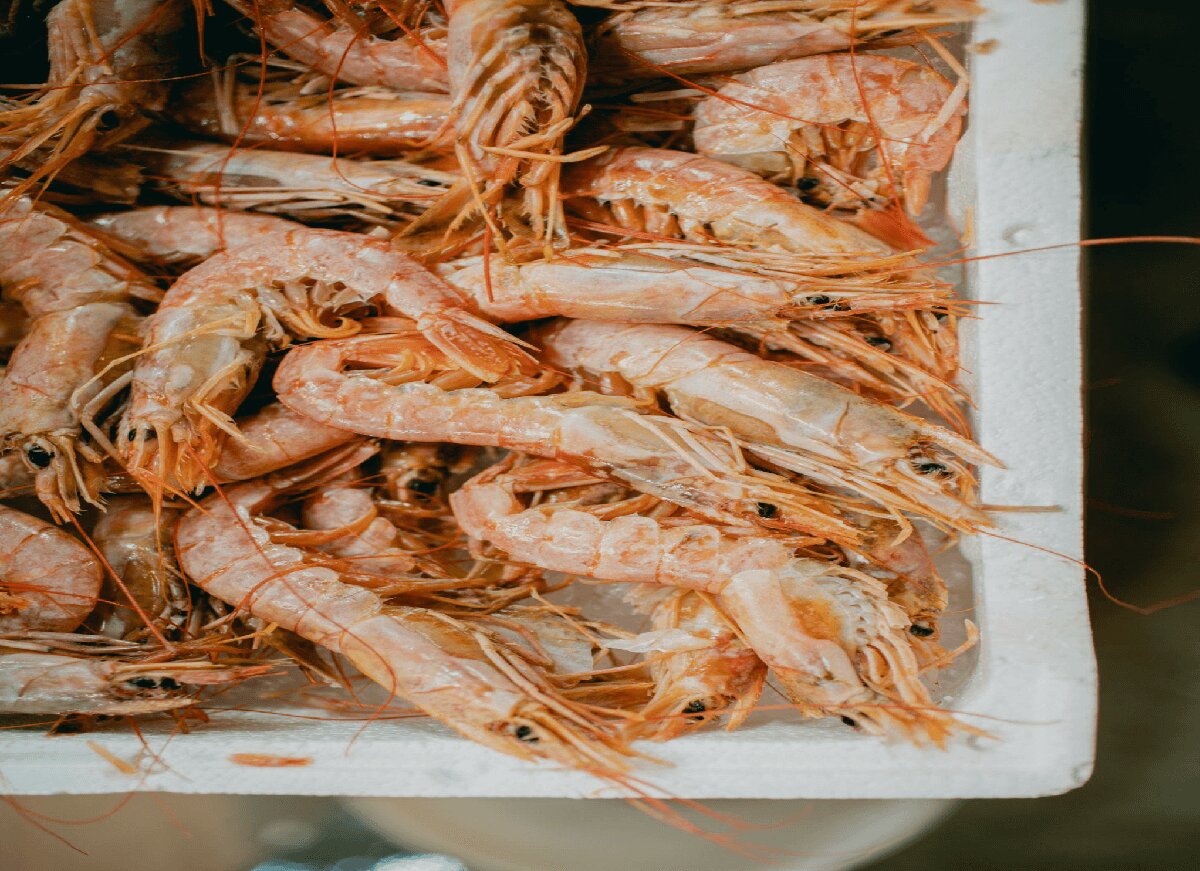
- Meat and Fish:Meat and fish are generally safe to ship as long as they are kept at the correct temperature. Pack these products in waterproof containers to avoid contamination. Frozen products should be shipped in an insulated Styrofoam box.
- Dairy:Dairy products such as milk, yogurt, and cheese are also safe to ship as long as they are kept at the correct temperature. Pack these products in insulated containers to ensure that they stay cool as well.
- Fruits and Vegetables:: Fresh fruits and vegetables can also be shipped, but should be cleaned thoroughly before shipping. Use separate containers for different types of fruits and vegetables to avoid cross-contamination.
- Dry Goods: Dry goods such as rice, pasta, flour and spices can be safely shipped in boxes or plastic containers. It is important to note that some foods cannot be transported safely. Before shipping food, you should always check the specific requirements and restrictions.

Which foods are not allowed to be transported?
As a wholesaler, there are some important regulations to follow to ensure that you do not send banned foods and thereby endanger your customers or violate legal regulations. Here are some foods you are not allowed to ship:
- Prohibited foods:There are a number of foods that are not allowed to be shipped in boxes due to safety concerns or legal regulations. These include, for example, genetically modified foods, certain types of meat, fish and seafood as well as certain types of fruit and vegetables. In addition, certain exotic animals, plants or products that violate the Endangered Species Agreement.
- Perishable Foods:Perishable foods such as raw meat, fish or dairy products should only be shipped if you use appropriate refrigerated packaging to keep the products at the correct temperature during transport. Otherwise there is a risk that the food will spoil and will no longer be suitable for consumption.
- Food with a limited shelf life:Food with a limited shelf life such as fresh herbs, berries and mushrooms should only be transported in suitable packaging and delivered as quickly as possible as well.
- Prohibited Substances:It is prohibited to ship food containing prohibited substances such as drugs or toxic chemicals. It is important to ensure that any food you ship is free of such substances.
.jpg)
How to clean boxes after shipping food?
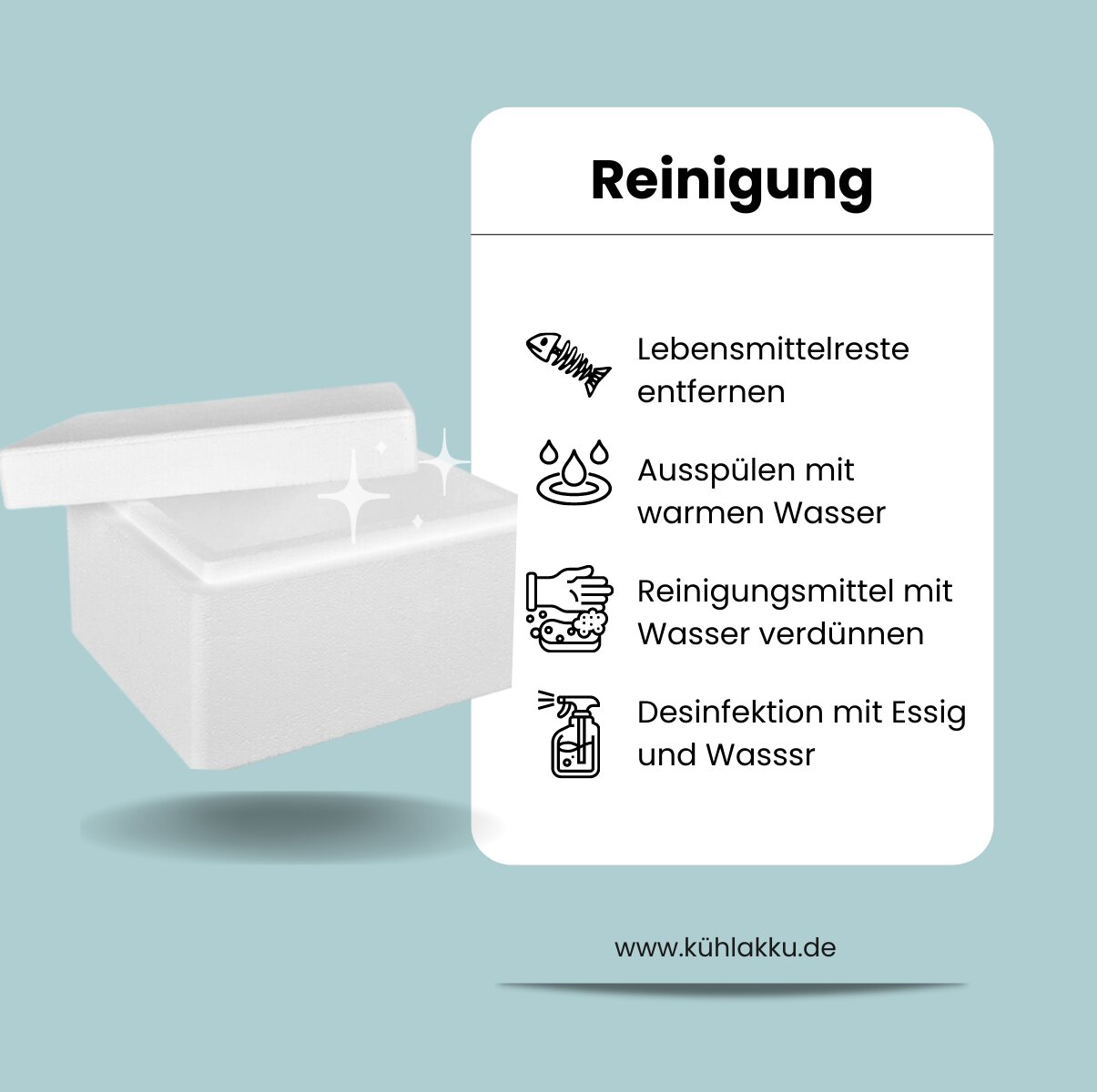
If you use Styrofoam boxes to ship food, it is important to clean them regularly to keep them safe and hygienic. Here are some steps you can follow to clean Styrofoam boxes after shipping food:
- Removing left over food:First, remove any food residue from the box using a spatula or paper towel.
- Rinse:Rinse the box thoroughly with warm water to remove any residue. Do not use soap or strong detergent as this may damage the Styrofoam. Avoid very hot water as this can melt the Styrofoam.
- Cleaning:If the box is still dirty, you can use a mild detergent to clean the box more thoroughly. Make sure the cleaning agent is diluted well with water and use it sparingly.
- Disinfection:If you want to reuse the box for the next shipment, you should disinfect it. To do this, use a solution of water and vinegar or water and alcohol. Let the solution sit in the box for a few minutes before rinsing to remove germs and odors.
How long do Styrofoam boxes last?
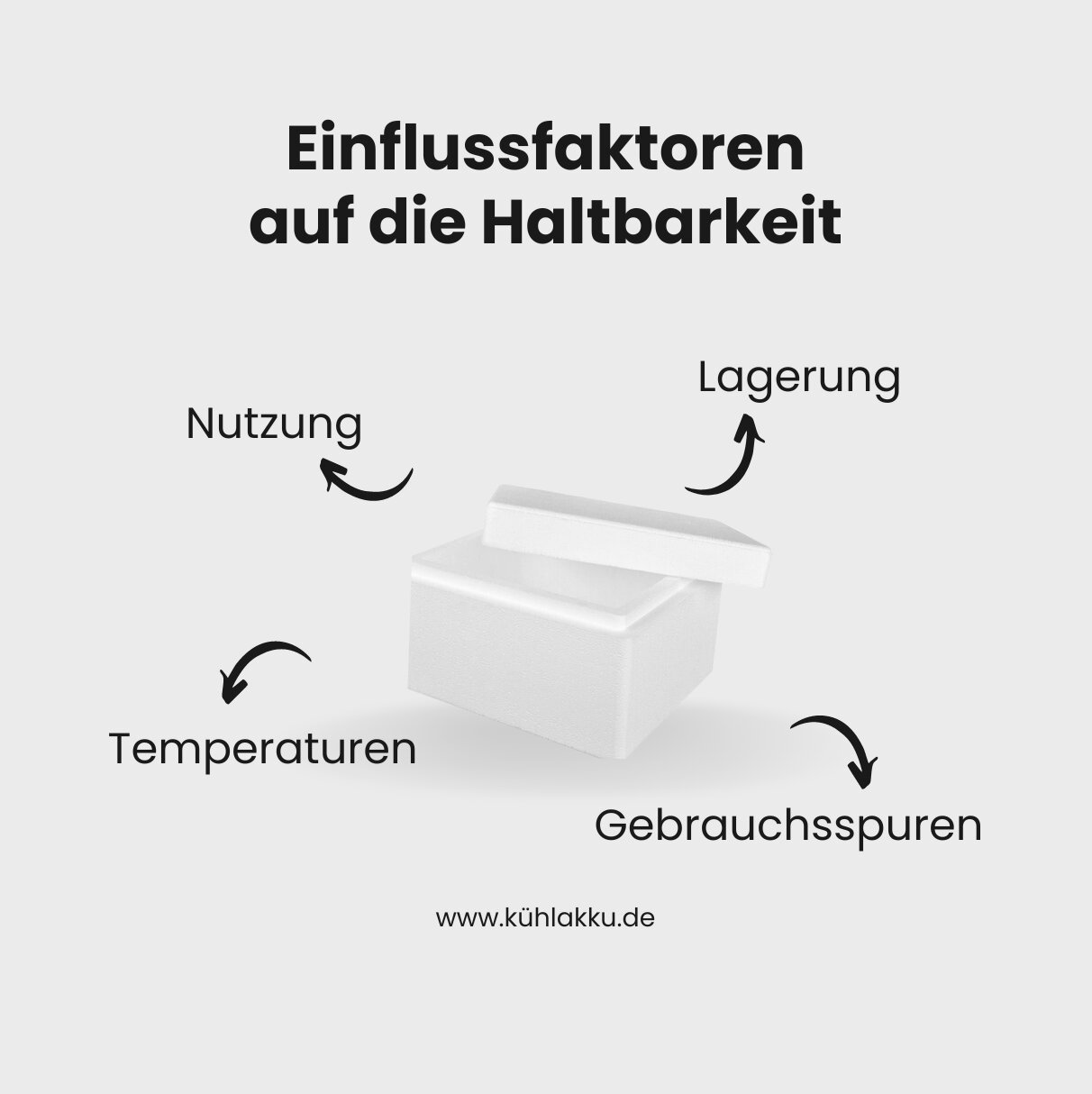
If you regularly use Styrofoam boxes to transport or store food or other items, it is important to know how long these boxes can last. Here are some factors that can affect durability:
- Usage:How often you use Styrofoam boxes can affect their durability. If you only use them occasionally, they will usually last longer than if you use them daily.
- Storage: : If you store your Styrofoam boxes properly, they can last longer. Store them in a dry and cool place to avoid deformation and damage.
- Temperatures:Extreme temperatures can affect the durability of Styrofoam boxes. If they are too cold they can crack, while if the temperature is too high they can melt.
- Signs of wear:Damage such as cracks or holes can affect the functionality and durability of Styrofoam boxes. Check your boxes regularly for damage and repair or replace them if necessary.
Overall, the durability of Styrofoam boxes can vary depending on usage and environmental conditions. On average, well-maintained Styrofoam food transport boxes last at least 12 months.
If you store your boxes properly and check them regularly, they can be used multiple times.
However, it is advisable to replace them after a certain number of uses to ensure that food can be stored and transported safely.

How to recycle Styrofoam boxes?
As a seller of Styrofoam boxes, we are aware that some of our customers have concerns about sustainability. Here are some facts you can take into account when making your decision:
- Recyclability:Styrofoam boxes can be recycled and made into new products, which has a positive impact on the environment. Make sure you hand the boxes in at dedicated recycling points to ensure they can be reused.
- Alternative uses:Styrofoam boxes can also be used for other purposes such as storage or as insulation material, increasing their sustainability.
- Longevity:Styrofoam boxes can be reused, extending their lifespan and reducing waste. When used properly, they can last a long time, which in turn means less waste and energy consumption.
- Weight:Styrofoam boxes are very light, which requires less energy to transport than heavier alternatives, resulting in a reduction of the carbon footprint.
- Efficiency:Styrofoam boxes are very efficient and can transport multiple foods at the same time, reducing the number of packages needed.
Overall, Styrofoam boxes are a practical and cost-effective solution for transporting food.
As a seller, we are aware of our responsibility to act environmentally consciously and to ensure that our customers are informed about all aspects of our products.
Dear readers,
We hope that our guide on the topic of “hygienic shipping of food” and its possible applications has helped you.
If you have any questions, please do not hesitate to contact our team of experts.

Kontakt
Weigang GmbH
Kühlakku.de
Albert-Einstein-Str. 16
86399 Bobingen
x
Please sign in to write a comment.